
Local Materials.
Local Jobs.
A Strong Ontario.
Aggregate is the foundation of our built environment. From your home and local school to the highway school and water sanitation systems. You find stone, sand and gravel everywhere in your daily life.
What Is Aggregate?
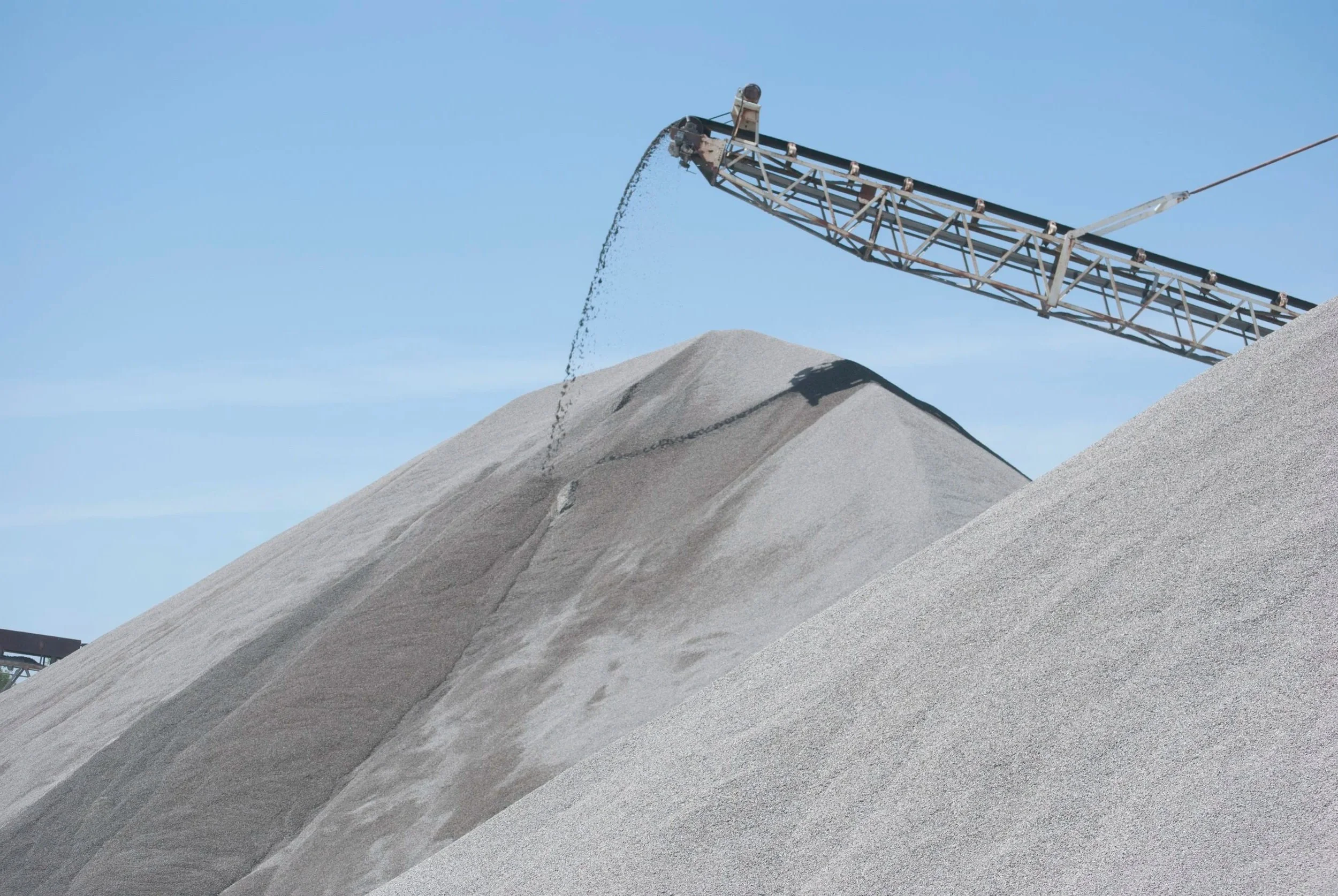
Aggregate is the technical name for stone, sand and gravel used in construction. It’s in the buildings we live and work in, the roads and sidewalks we drive and walk on, and your local hospital and community centre. It plays a vital role in the water purification process and can even be found as filler in paper and some pharmaceuticals. Stone, sand and gravel are the most used natural resource in the world after water, they’re the foundation of our society and economy. Pretty impressive for something as small as a grain of sand!
Where Does Aggregate Come From?
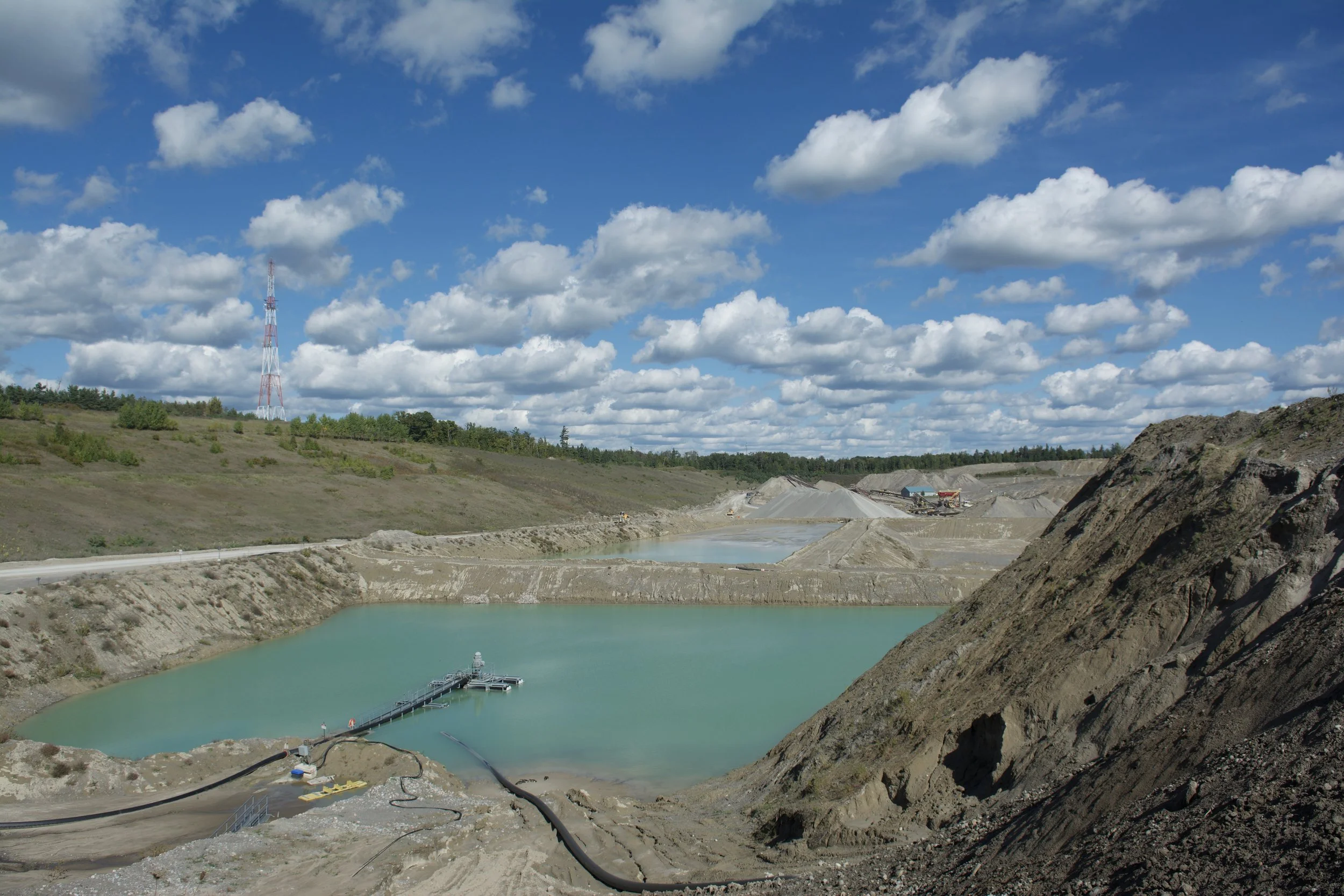
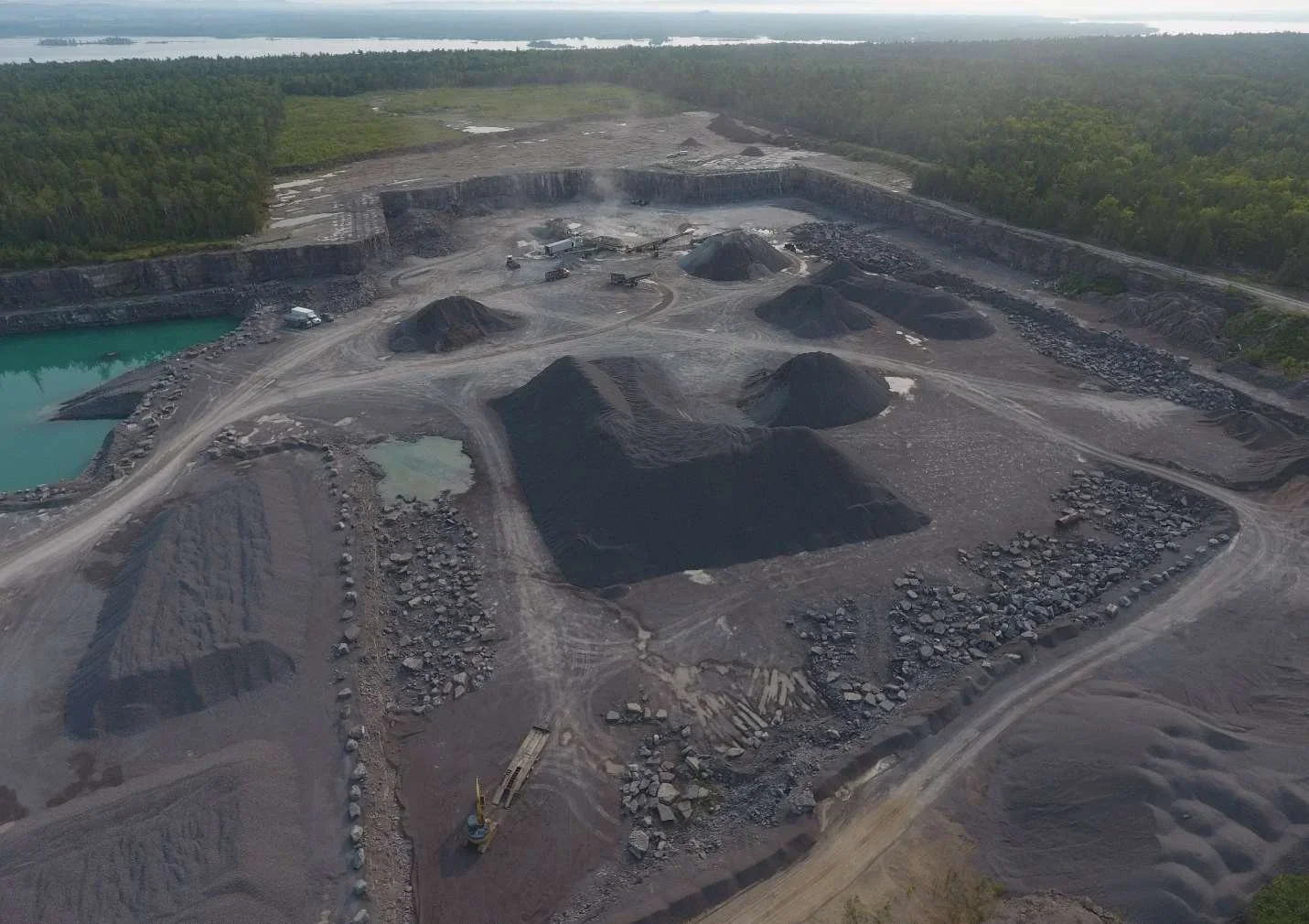
Aggregate is surface-mined in pits and quarries. Quarries are large, naturally occurring deposits of rock like granite, limestone and sandstone used in building materials. While the term “mining” is used to describe the process of rock extraction and generally conjures up images of tunnels stretching deep into the earth, pits and quarries are actually located at the surface. In fact, they rarely reach a depth greater than 100 feet.
Like other types of minerals, aggregate is only found in places where nature put it. Learn more about stone, sand and gravel in Ontario here.
-
Aggregate is needed for everything in our local communities. The sewer system, sidewalks, windows and even toothpaste all rely on aggregate. Remember, aggregate is the most consumed natural resource in the world after water!
-
On average, approximately 164 million tonnes of aggregate are used in Ontario each year. That's about 12 tonnes per person. Aggregate is extremely important for supporting communities across the province.
-
Between 2026 and 2041 Ontario will need 4 billion tonnes of aggregate to keep up the growing population and the need for more housing infrastructure and other construction to support it. Is your community growing? Aggregate is helping make it happen, providing the essential materials needed for the foundations of new homes, roads and the infrastructure communities rely on every day.
-
The aggregate industry in Ontario contributes $3.4 billion to the province’s GDP. That translates to 7,000 direct jobs, 34,000 indirect jobs and $1.8 billion of employment income.
Aggregate by the Numbers
An average brick home requires 250 tonnes of aggregate or 12 truckloads.
An average school needs 13,000 tonnes of aggregate or 650 truckloads.
One kilometre of a six-lane road uses 51,800 tonnes of aggregate or 2,590 truckloads.
One kilometre of a subway needs 91,200 tonnes of aggregate or 4,560 truckloads.
There are more than 21,000 truckloads of aggregate in Ontario on any one working day!
It would take approximately 2,624,000 extra litres of diesel fuel annually, if every truck had to drive just 1 extra kilometre to their site. That’s why keeping aggregate close to where it’s needed is so important.
The Greater Toronto Area consumes over 50 million tonnes of aggregate annually and demand is growing…
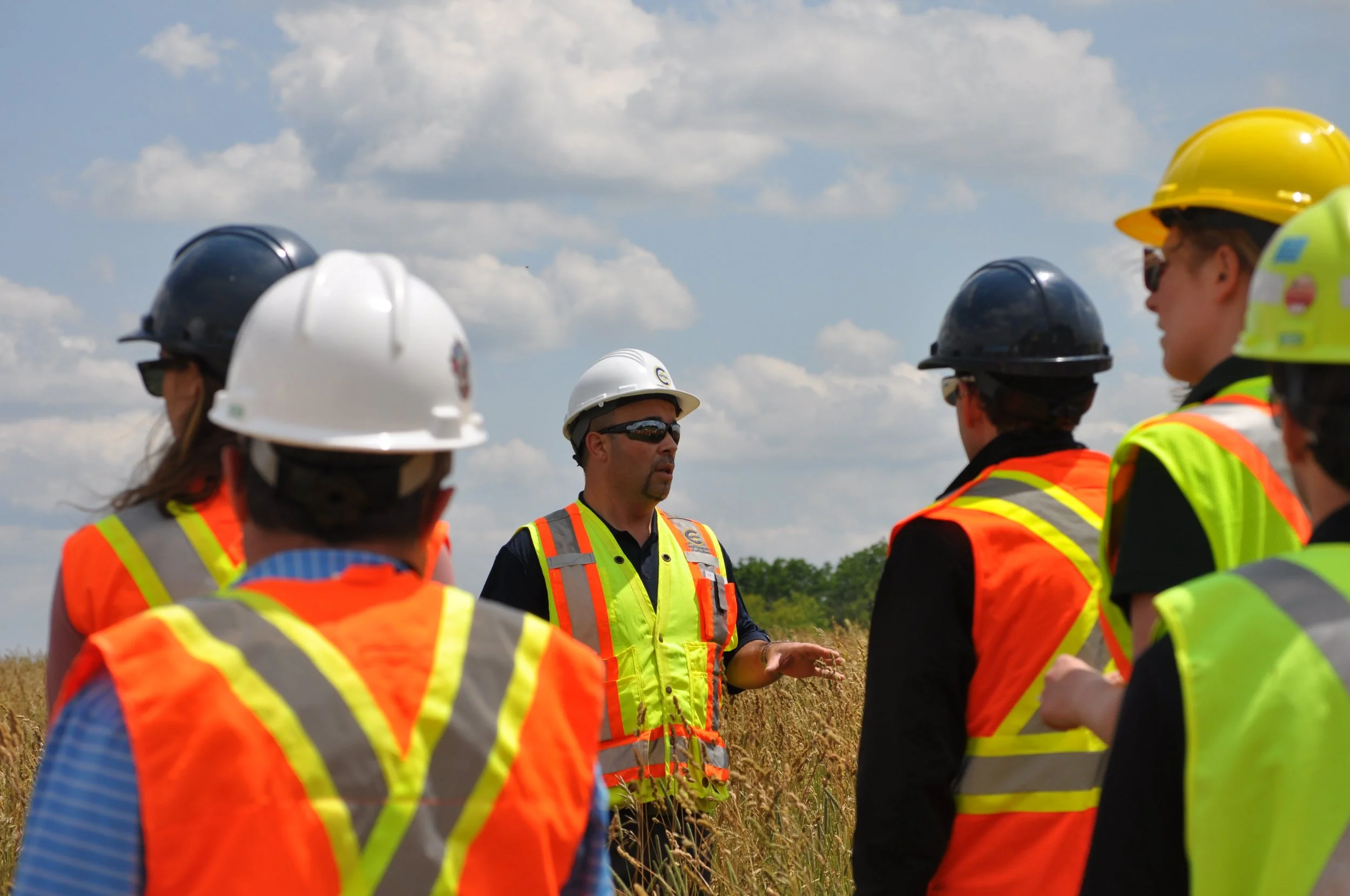
“The aggregate industry is committed to sustainable practices and long-term land stewardship that enables positive community impacts. Despite being one of the most highly regulated industries in the province, producers often go above and beyond, doing their best to protect local ecosystems.”
Aggregate and Sustainability
Ontario’s aggregate industry is among the cleanest and most highly regulated in the province, governed by 25 laws that protect people, the environment and future resources. These include the Aggregate Resources Act and key provincial plans. Producers often exceed regulatory requirements, supporting conservation initiatives, biodiversity and the local ecosystem. No chemicals are used in the aggregate production process and stripped topsoil is stored onsite and reused to rehabilitate pits and quarries back to uses that benefit the local community. Read more about the lifecycle of pits and quarries here.
Aggregate and Rehabilitation
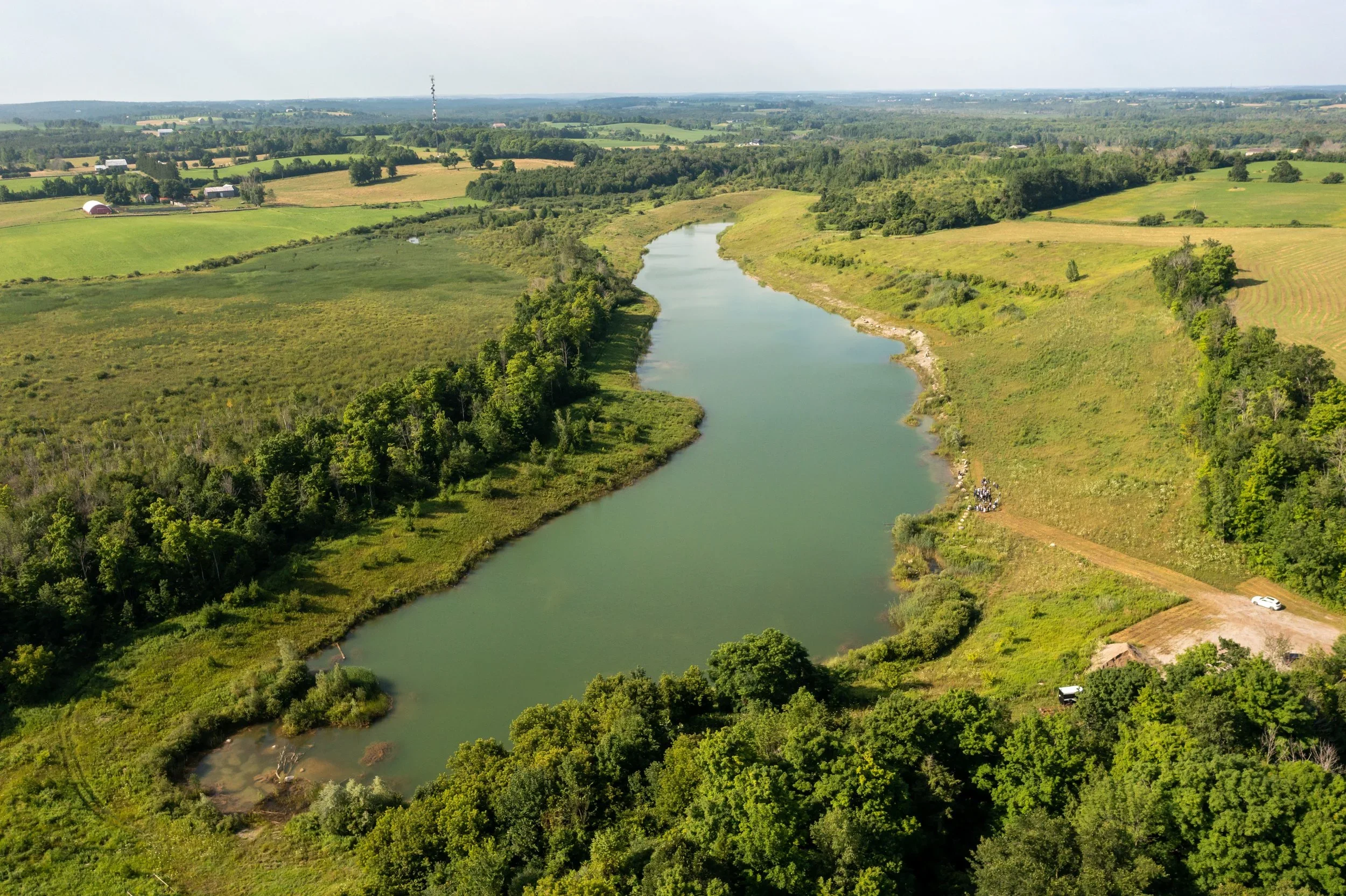
Pits and quarries are a temporary land use. As aggregate production is ongoing, sites are progressively rehabilitated into wetlands, wildlife habitat, parks, forestry, agriculture or other uses. Rehabilitation is carefully planned, with land reshaped, topsoil replaced and erosion controlled. Producers are legally required to complete both progressive and final rehabilitation in accordance with approved site plans. Many former sites have become valued community assets like Christie Pits and the Evergreen Brick Works in Toronto. Rehabilitated aggregate sites that have truly made a significant contribution to their local community may be eligible for OSSGA’s Bronze Plaque Award. Read more progressive rehabilitation here.

Close-to-Market Stone, Sand and Gravel
Aggregate sites should be located near where the materials are needed to reduce economic, environmental and social impacts. Transportation accounts for about 60 per cent of costs and longer distances significantly increase fuel use and emissions. If each truckload in Ontario travelled just one additional kilometre, fuel use would rise by 2.5 million litres annually translating to almost 7,000 tonnes of extra greenhouse gas emissions. Locating pits and quarries close to demand supports efficiency and sustainability.
Aggregate Production and Water Use
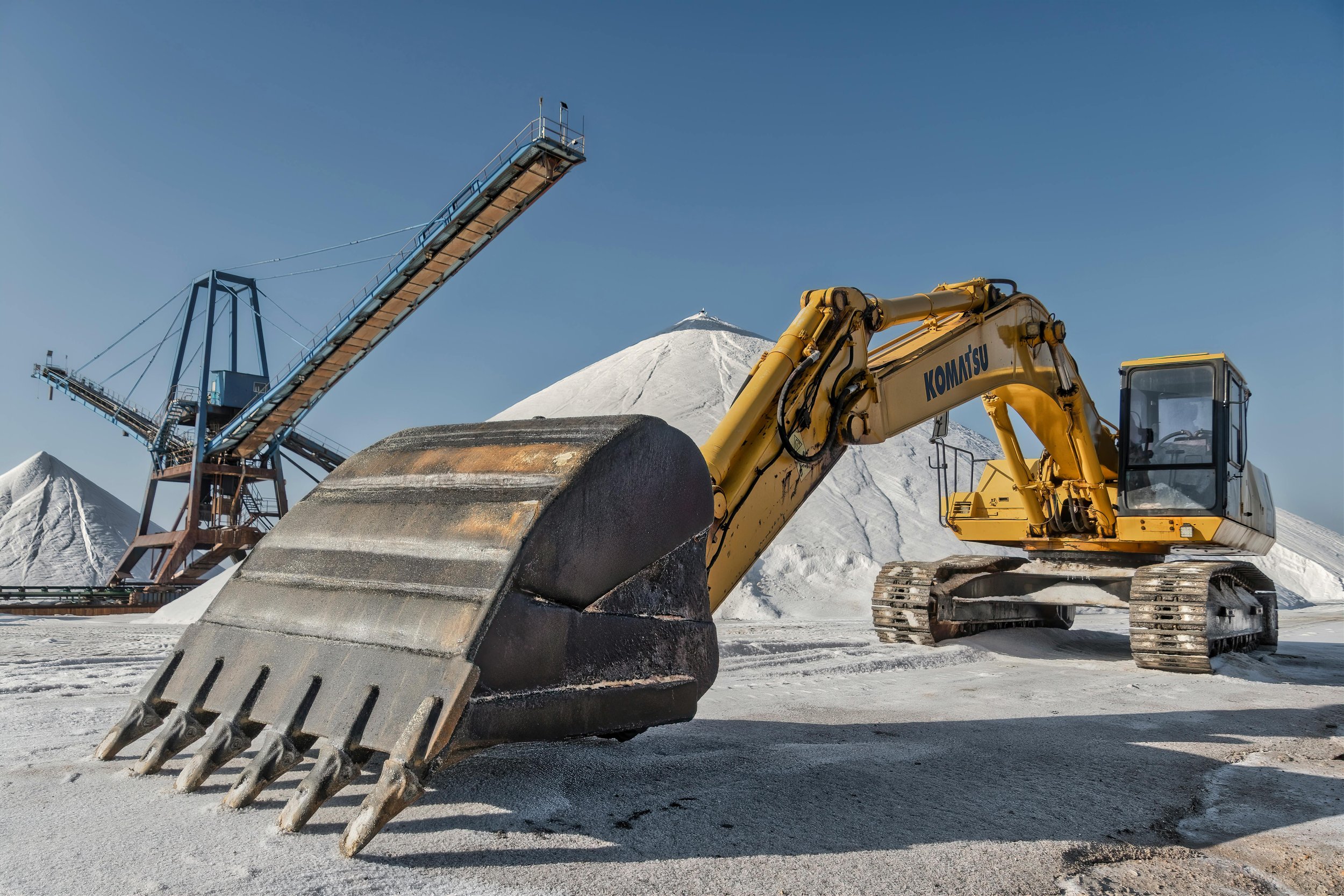
Aggregate operators primarily manage water, not consume it, 92 per cent of water used on aggregate sites in Ontario is recycled and the sector accounts for less than 2 per cent of the water used in Ontario annually. Most sites operate above the water table, using recycled water in closed-loop systems with minimal loss. If operating below the water table, materials are removed without affecting water levels, or water is safely discharged and returned to the environment. Operations are strictly regulated, require mitigation measures and use no chemicals. In some cases, sites can even enhance groundwater recharge and support aquatic habitats.